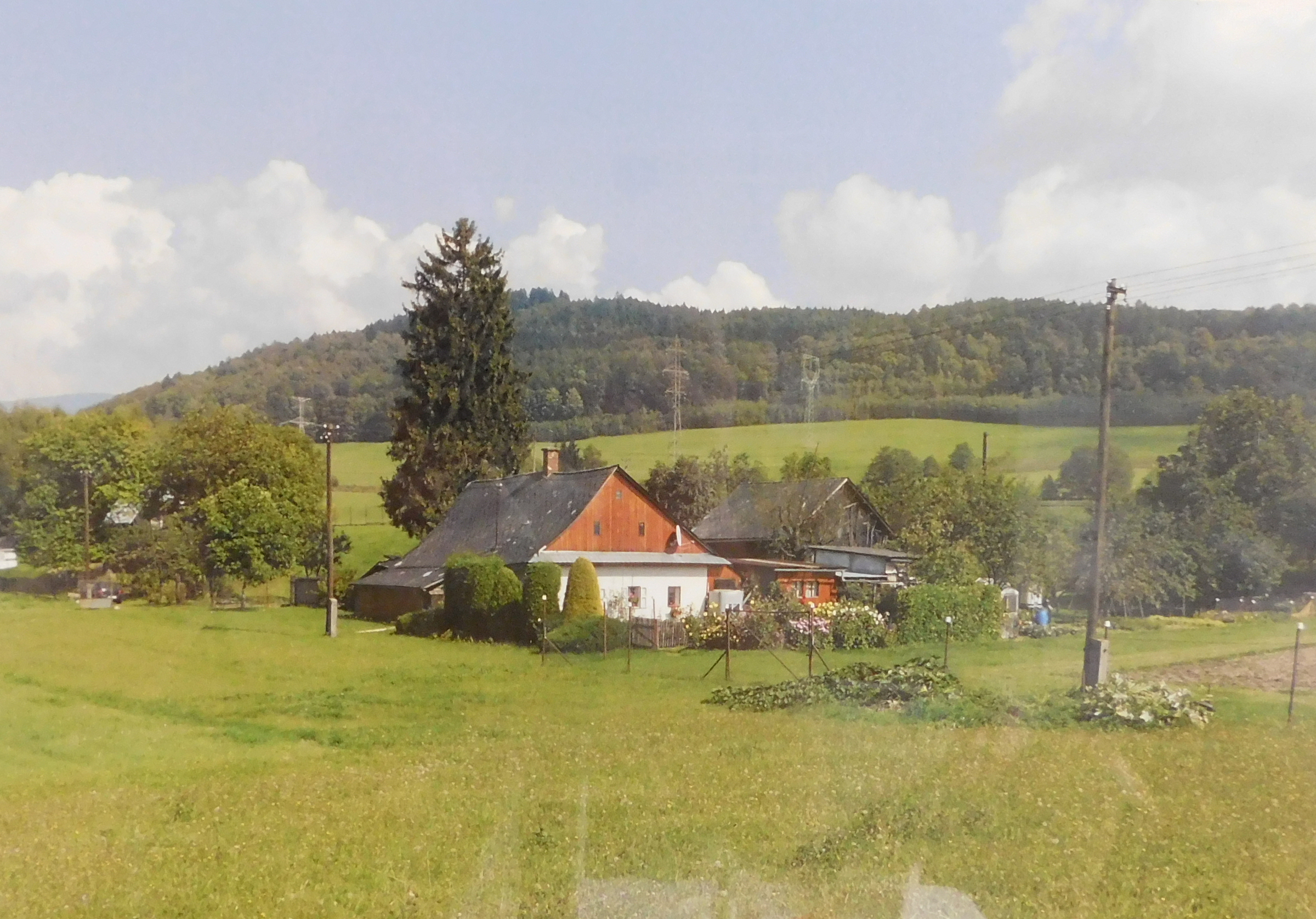
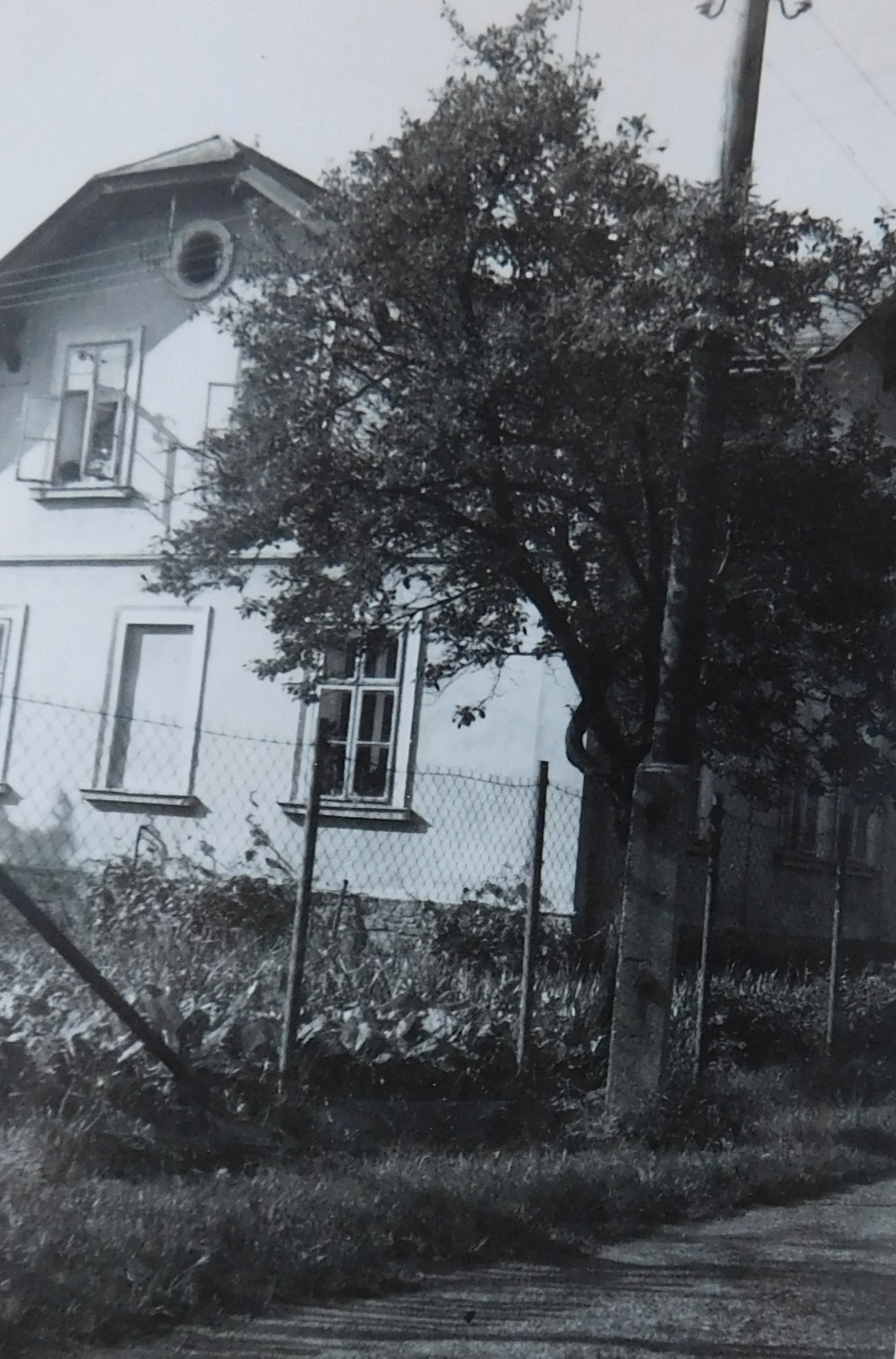
„Jeden den pak jsem ráno, jak jsme o půl sedmé, v sedm jsme vycházeli z domu, že jsme to měli daleko do školy. A mně tenkrát bylo těch sedm, šest, sedm let. Jsem vstávala a viděla jsem z postele, jak jsem vstala, že oni jdou po cestě, ranec přes záda, kočárek strkali před sebou a šli v zástupu. A za náma bylo pět baráků. To byli lidi z těch pěti baráků. A já jsem už jsem neviděla dál z ložnice, tak jsem šla, jsme měli takový přístřešek a tam byla pumpa, tak se tam pumpovala voda. Bylo tam okýnko a já jsem se zohla, abych tím okýnkem viděla dál na cestu. A viděla jsem u sousedů, že se přidali. Tak já jsem pak říkala mamince: ‚Kam ti lidi jdou tak brzo s těma malýma dětma?' A ona říká maminka: ‚Oni jdou do Petrova na nádraží, někam je povezou.' A víc jsem nevěděla, co to bylo. Až potom, když z těch lágrů přišel mamince dopis. My tady a maminka nám ty dopisy právě četla v té němčině. Jestli by jim neposlala… Na tatínka se obraceli, na maminku ne. Jestli by tatínek neudělal bedynku a neusušil se nějakej chleba nebo aspoň kůrky. To tak úplně slyším, jak to prosili. Maminka hned brečela, jak to četla. Usušit, že nemají co těm dětem dát, že kdyby to bylo usušený, že to budou cumlat a že jim to vydrží dýl. Tak tatínek hned nám poručil: ‚Jak půjdete ze školy, musíte vzít chleba.' Sušil to v troubě, udělal dřevěný bedynky a já jsem to nesla na poštu. A potom, oni nemohli moc psát, to přišel jeden dopis třeba za půl roku nebo to. Ale až se dostali do Německa, někteří do Německa, někteří do Rakouska. Potom našim děkovali, že jedině díky tomu tvrdýmu chlebu, že ty děti přešly živý.“
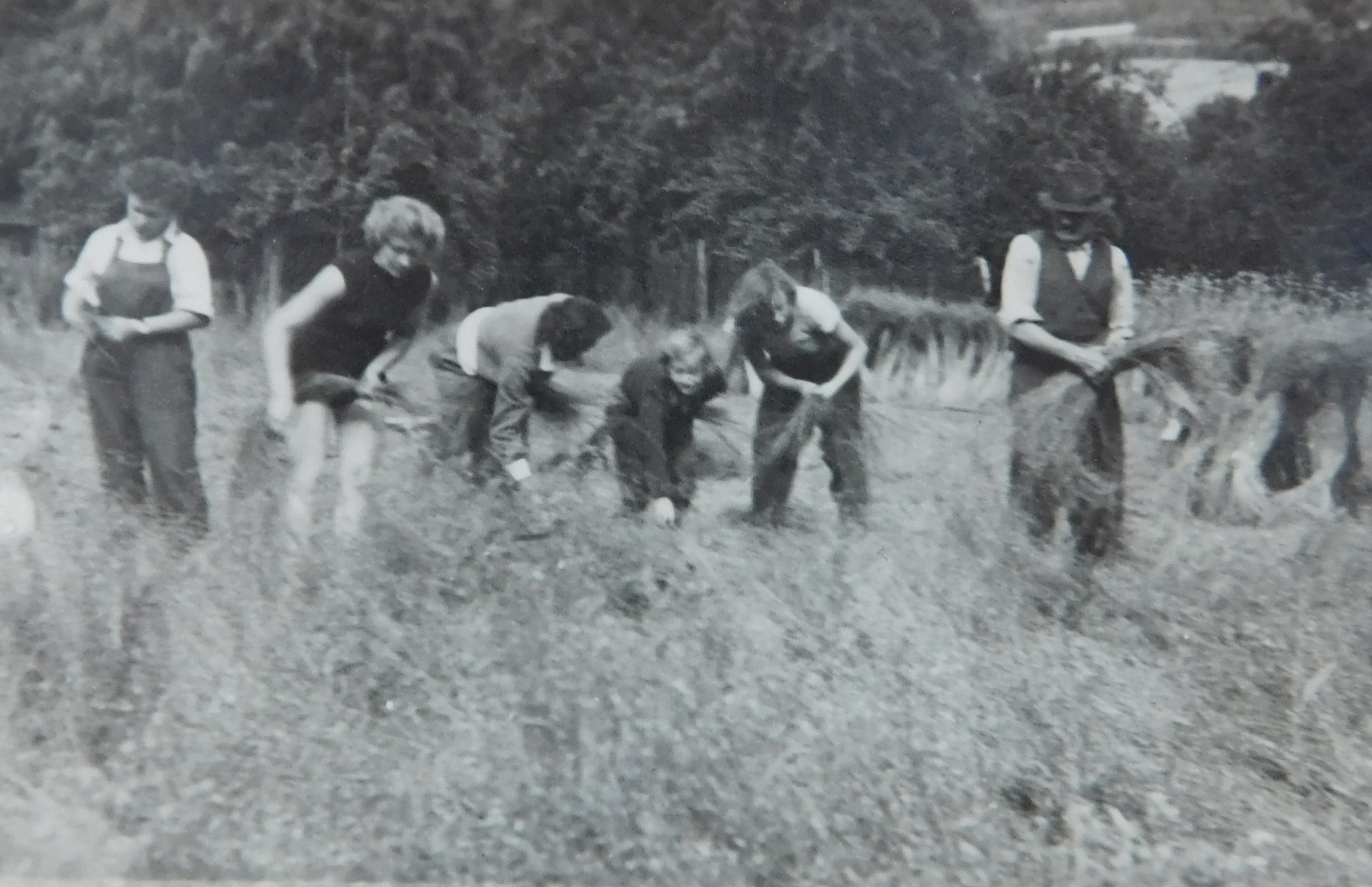
„Jaký byly dodávky?“ – „Ježíš, hrozný. Protože to už jsem chodila vlastně, vždycky mě tatínek poslal, zajeď na národní výbor, ty to vyřídíš. Tak já všecko chodila vyřizovat, telefonovat na poštu a tak. Třeba na jednu slepici, to se vážily. Ty vajíčka se dodávaly na váhu, ne na kusy, ale na váhu. No a když jsem donesla košík vajec a vážilo to dvě a půl kila, tak vám napočítali, třeba tam bylo 70 vajec a napočítali 50 vajec jenom, že bylo. A maminka vždycky hořekovala, jak my to splníme? Tak já věděla, že já jak budu chodit po těch sedlákách, ty prázdniny, oni zase za nás plnili ty dodávky. To bylo s mlíkem a se všeckym. Když kráva stála na sucho, byla před otelením, no tak se nedojila, že? Vždycky se našli dobří lidi, kteří měli třeba o krávu víc, než nahlásili, a plnili to za vás, ale já jsem to chodívala odpracovat.“
Maminka chudera se tak…My jsme uměli perfektně česky a s maminkou jsme mluvili německy. Mezi sebou děcka jsme mluvily česky, s tatínkem jenom česky, ale tatínek s maminkou mluvili německy. Jeho první žena taky byla Němka, takže on už se naučil od té první ženy německy, že? No, maminka tím hrozně trpěla. Vím, že druhý den jsme ju hledali, nebo třetí den, to nevím, že jsme ji hledali, kde je, a ona byla na zahradě schovaná v keři a hrozně plakala. A my, jak jsme uviděli, že pláče, tak jsme brečeli taky, že jo, a nevěděli jsme proč. A ona říká: ‚Když já se nenaučím česky, tak já vás budu muset tady nechat a budu muset jít do Německa.' Tak my jsme na ni mluvili česky. Ona lámanou…jedno slovo pochytila, deset slov ne. Ale my, že jsme umělí německy, my starší, ti mladší, ti vůbec, ti ještě nebyli na světě. Tak to vím, že akorát nám četla potom, když Němci byli odsunuti a psali mamince dopis, tak ten dopis vždycky nám četla v němčině. Potom ale přišel nějakej příkaz, přišli z obce, aby maminka přešla z německé příslušnosti na českou.“
„A jednou, to taky úplně živě si pamatuju, to bylo taky tady, jak už se to dosídlovalo, že u maminky byla porodní babička, musela jsem jet pro ni. A ona jezdívala na staré zetce na motorce a vedle ní běžel vlčák její a on si k té motorce lehl. Ona nechala motorku u stodoly a ten pes si tam lehl. No a já jsem měla hrozně ráda velký psy a já jsem k němu šla a hladila jsem ho. A najednou jsem cítila, jak kdyby někdo se díval, a já jsem se otočila a viděla jsem, u sousedů u opuštěnýho už baráku v rybízovým keři stál pán a mířil zrovna na nás. A já jsem začala křičet a utíkala jsem dom a tatínek nevěděl, co je. Říkám, tam někdo po mně chtěl střílet, protože jsem měla už zážitek z toho předešlýho, že. Tatínek hned, a kde někdo stál? Já říkám tam v tom rybízovým keři. Běžel tam a nikoho už ne[našel]. Ale já až jsem dorůstala, tak jsem toho člověka poznávala. Poznala jsem ho.“
“We absolutely could not say a word against out neighbours. They all liked us and they all tried to help. We were helping them, too. I was playing with the children and thereby I was keeping an eye them and their moms could meanwhile work in the fields. Nobody knew anything, and then, all of a sudden, an order came. It was at half past six in the morning. I remember that I was getting up for school, and I could see our neighbours walking on the road. There were three more houses behind ours, and there was a fourth house in the field. They were walking and pushing a baby pram, they were dragging their children behind them, they were carrying rucksacks on their backs and they did not have anything else. I knew their name, but I don’t remember it anymore. I remember that one of the families was the Langsfeld family. I asked them where they were going and my mom was crying and she told me that they had to go to Germany.”
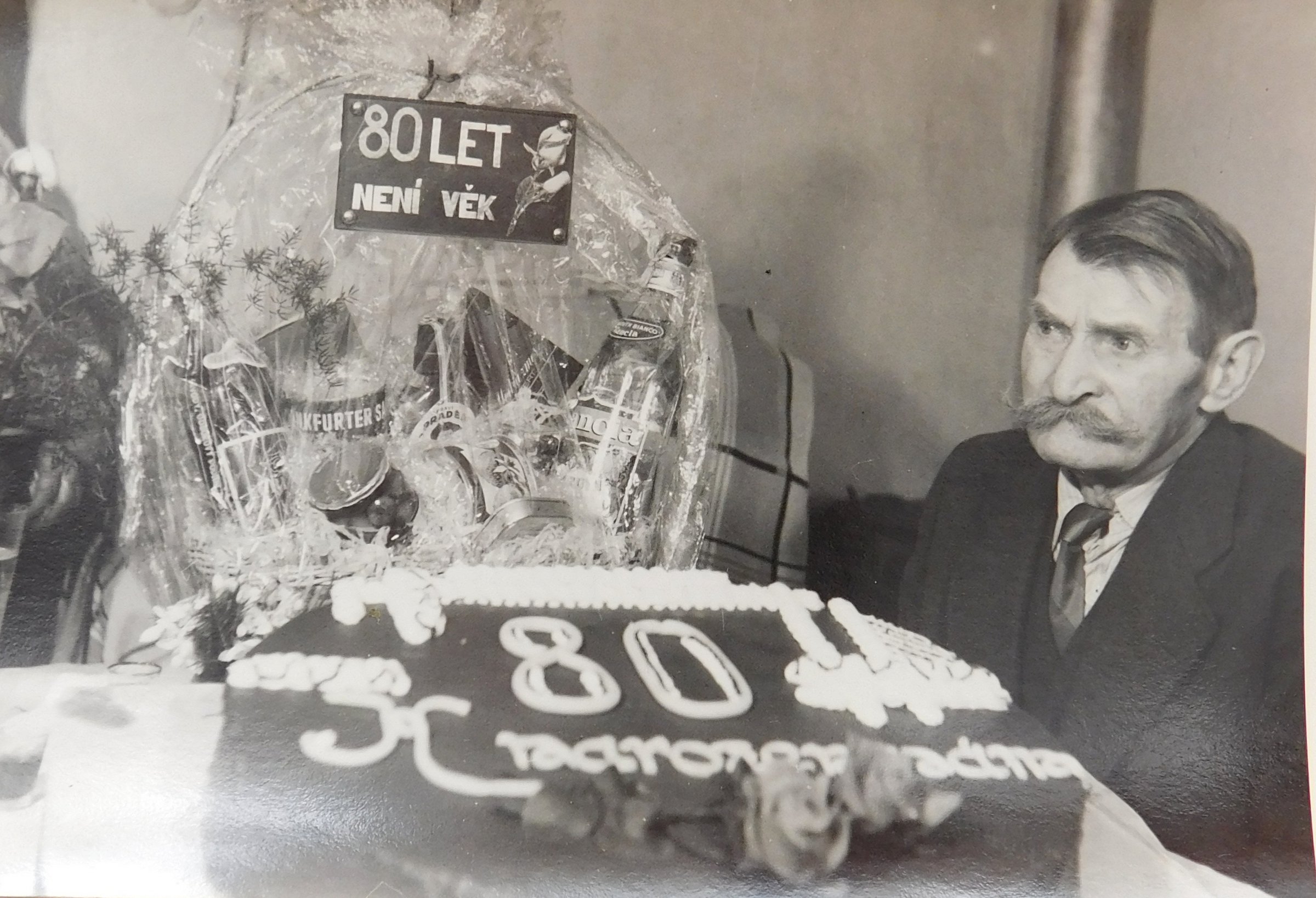
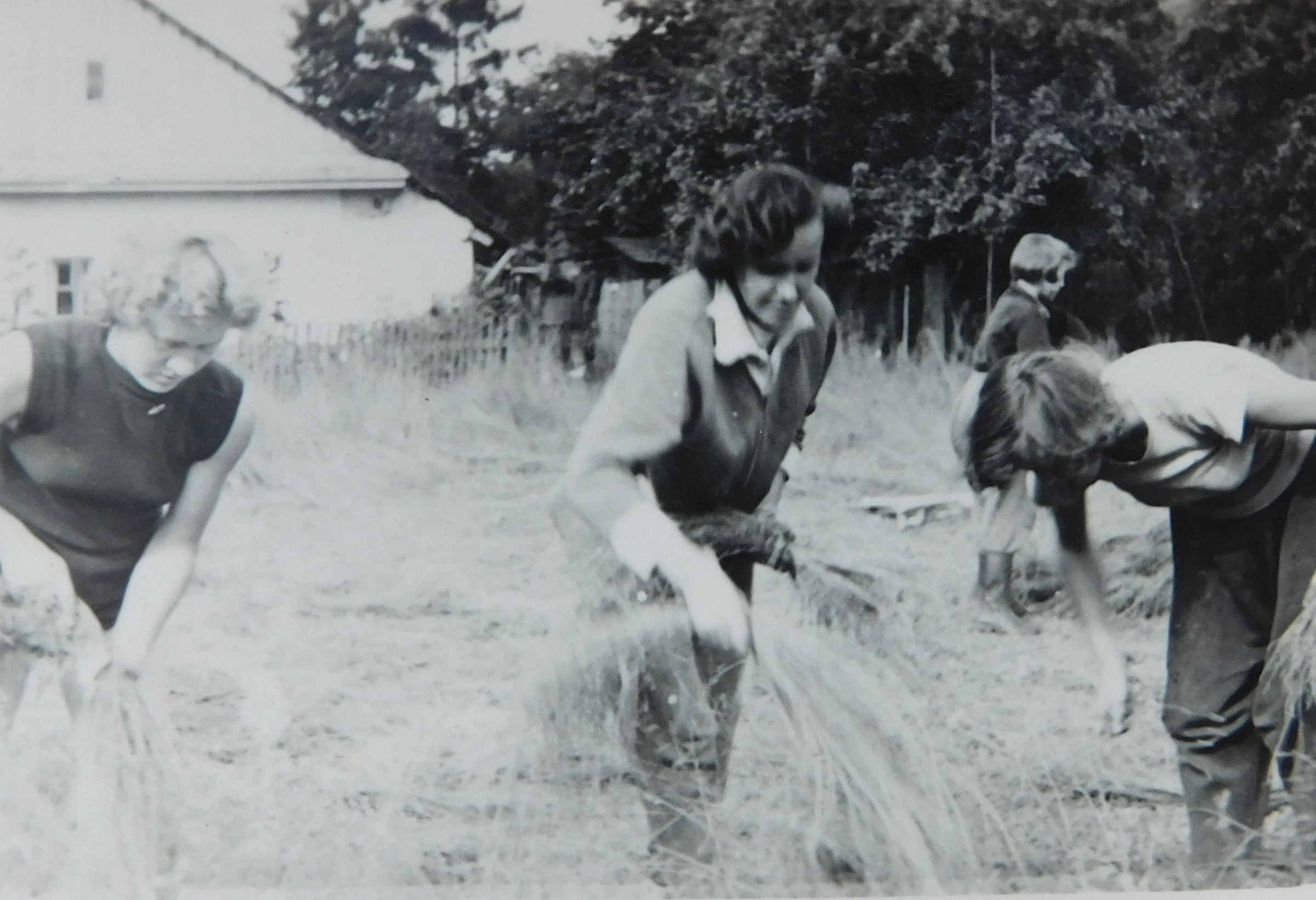
“They were already all in the unified agricultural cooperative. My dad was already more than seventy years old and he did not want to join it, because the farm provided livelihood for our large family. They were thus exerting pressure on him in various ways. He had a field on a level terrain, but they took it away from him and instead they gave him a patch here and there. But his strength was diminishing and when we began to do our vocational training, there was no other option for daddy but to surrender the field to them. For example, the principal and his deputy from the school in Petrov threatened him. For me, these are moments that are still stuck in my head. I am not even able to attend school reunions, because it all comes back to me. These two men and probably somebody from the village administration office were coming to see him and threatening him that if he did not give them the field, he would go to prison. Can you imagine that? To go to prison when he had so many children? He thus signed the documents for them. Well, but this has not solved much. They issued an order to all of my three brothers: that one of them had to do his vocational training to work for the cooperative.”
“I only remember that the soldiers were chasing German girls from the neighbourhood. I was supposed to sleep in my bed, but I could hear terrible screaming from the outside, and I thus stood up in my bed. I could be about two or three (four) years old. I could see through the window that there were soldiers who were chasing the girls and the girls were screaming and running between the trees. Dad provided a place to hide for all of them. He had been in the First World War and he could speak Russian well, and as soon as he found out that the soldiers were Russians, he started yelling at them something which I could not understand. He turned the soldiers’ attention away and the girls meanwhile found a place to hide. He thus saved their lives. Dad then gave some bottle to the soldiers, because he knew the situation in Russia, and the soldiers thus forgot what they had originally come for.”
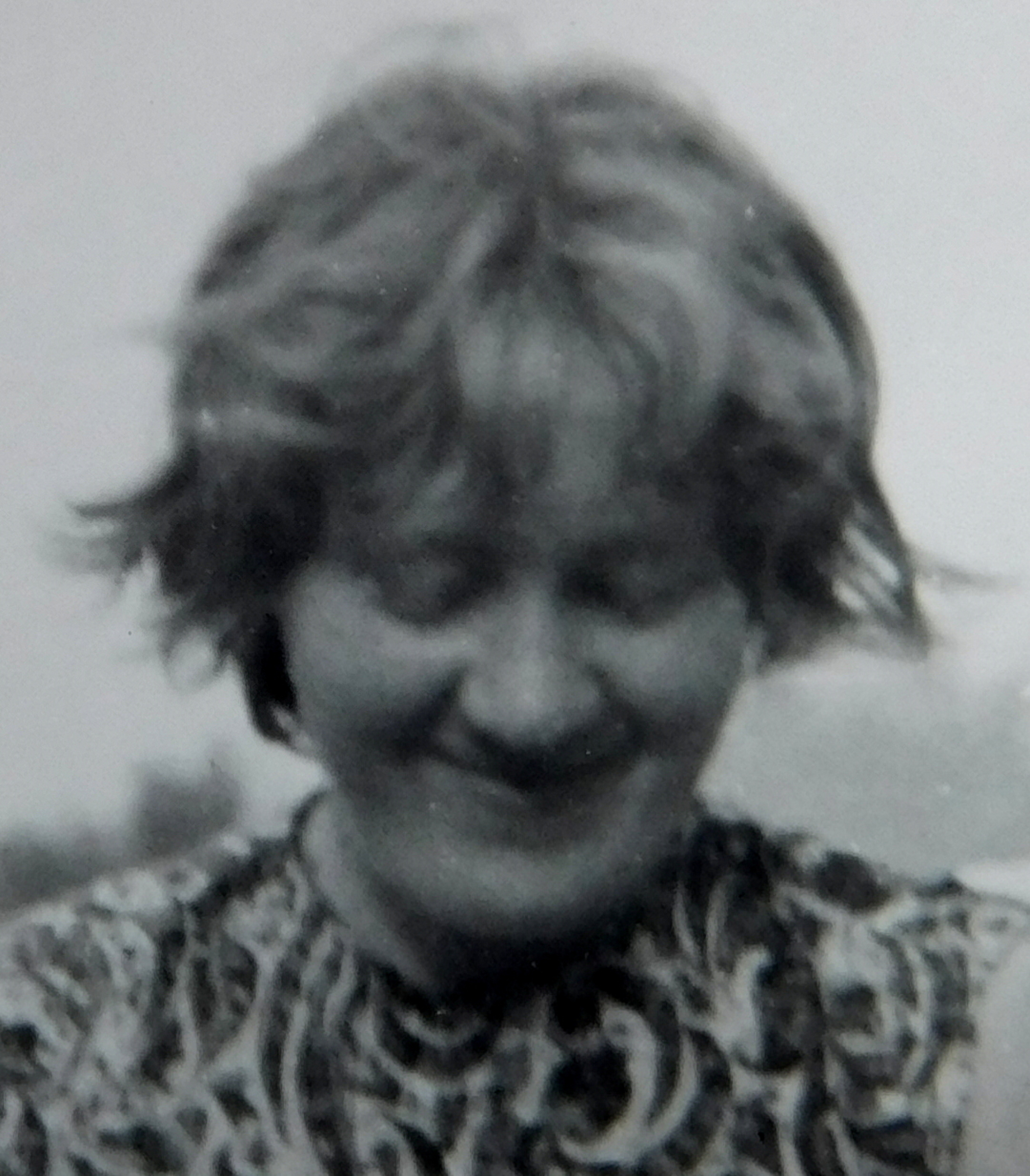
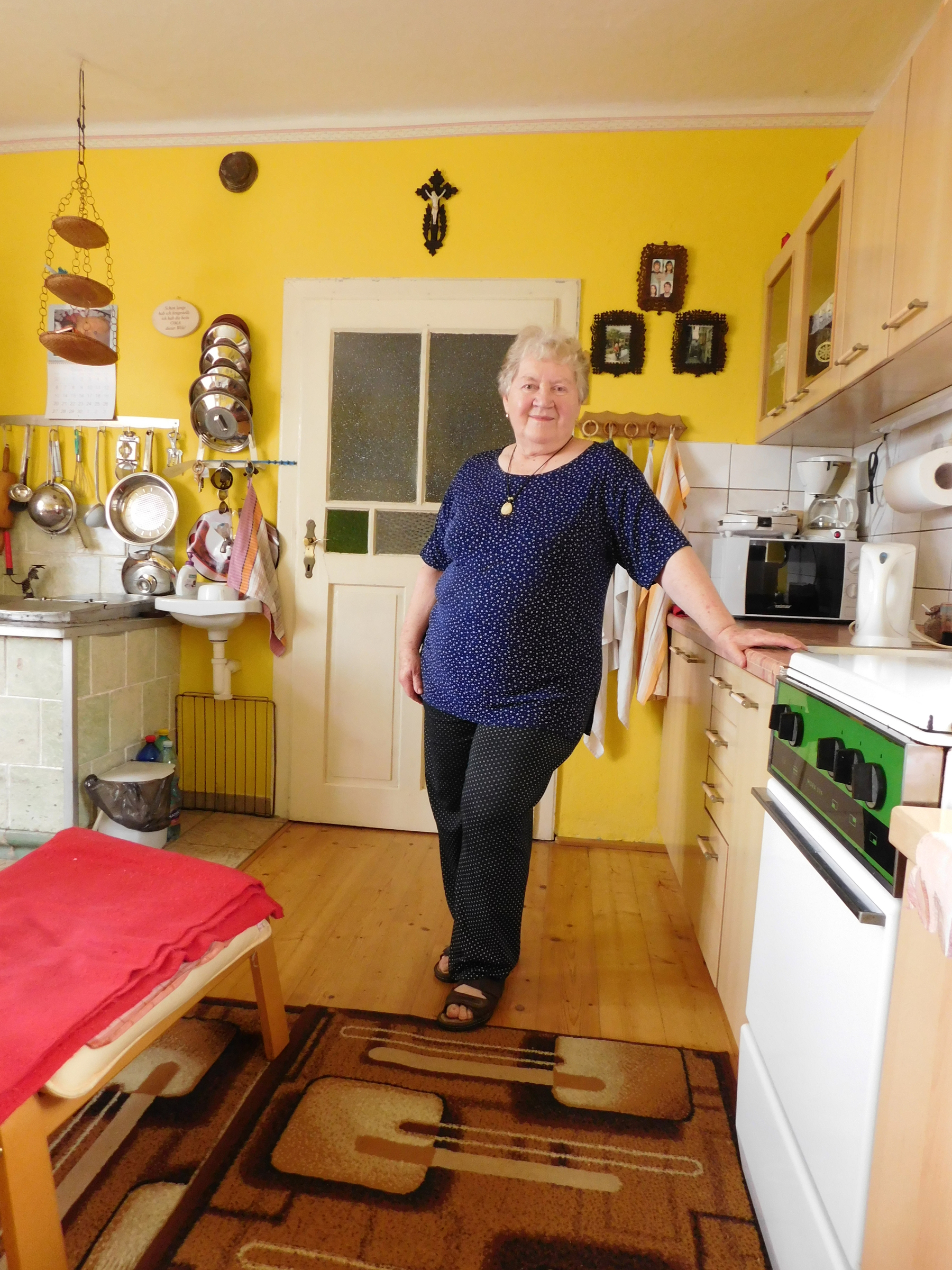
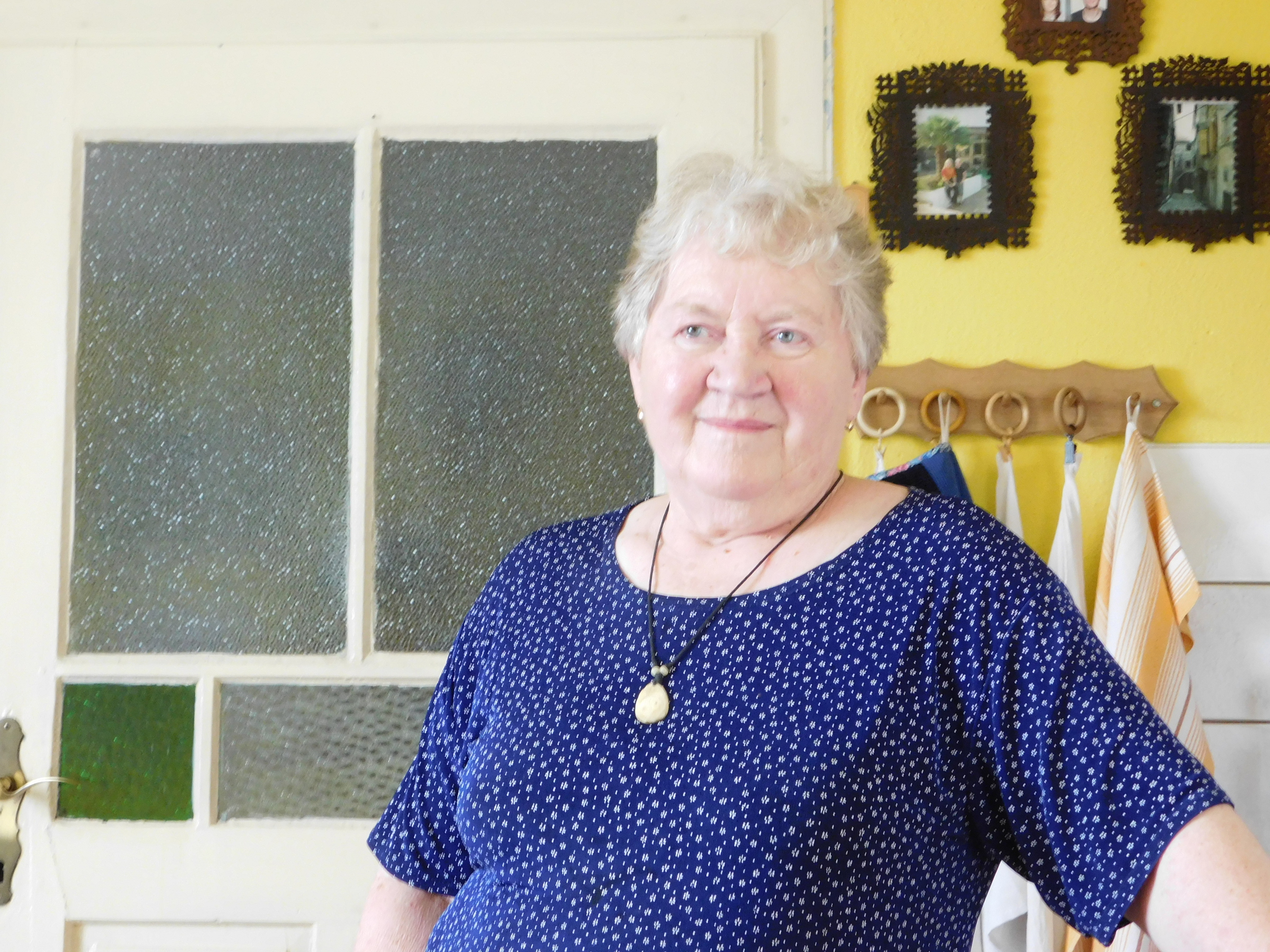
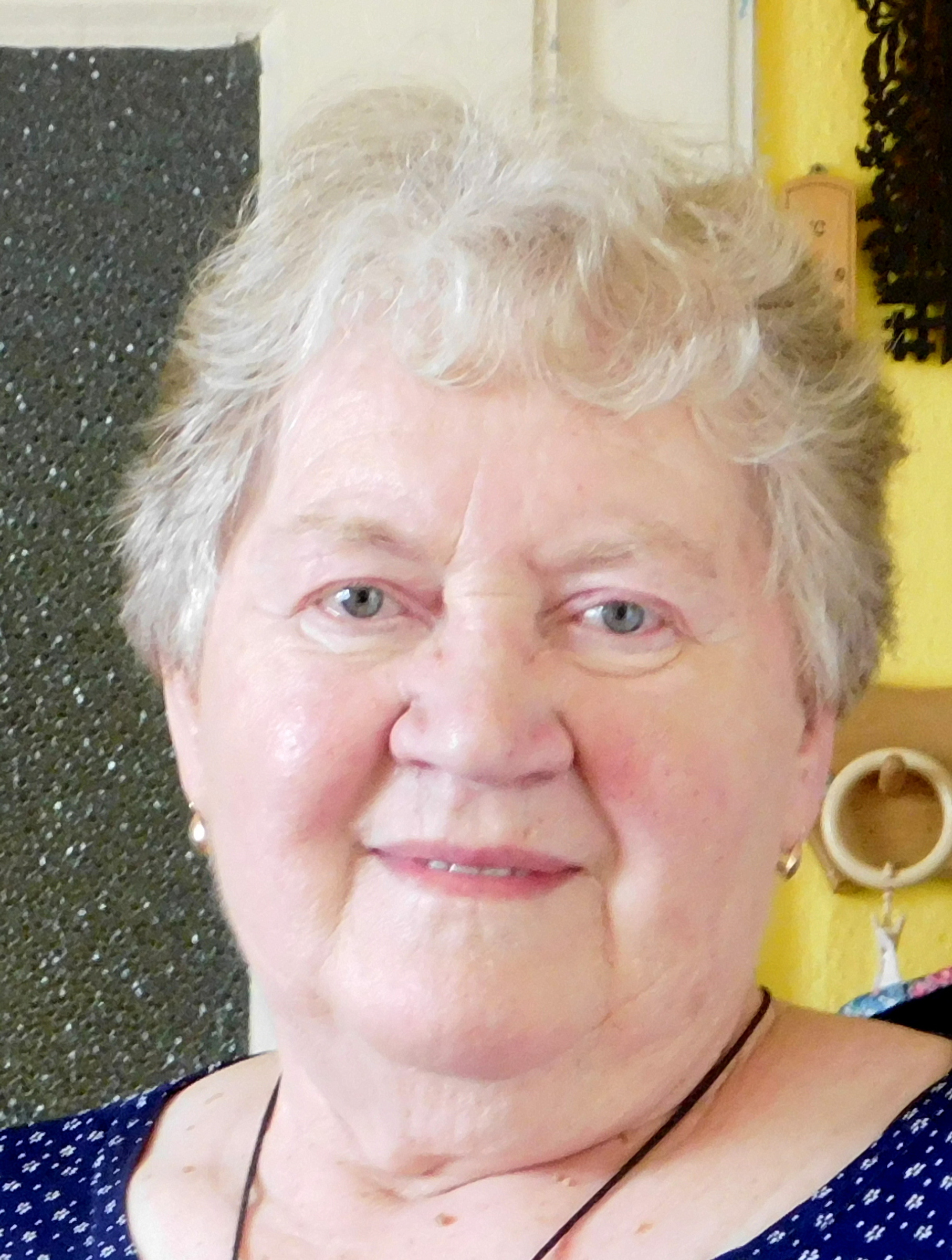
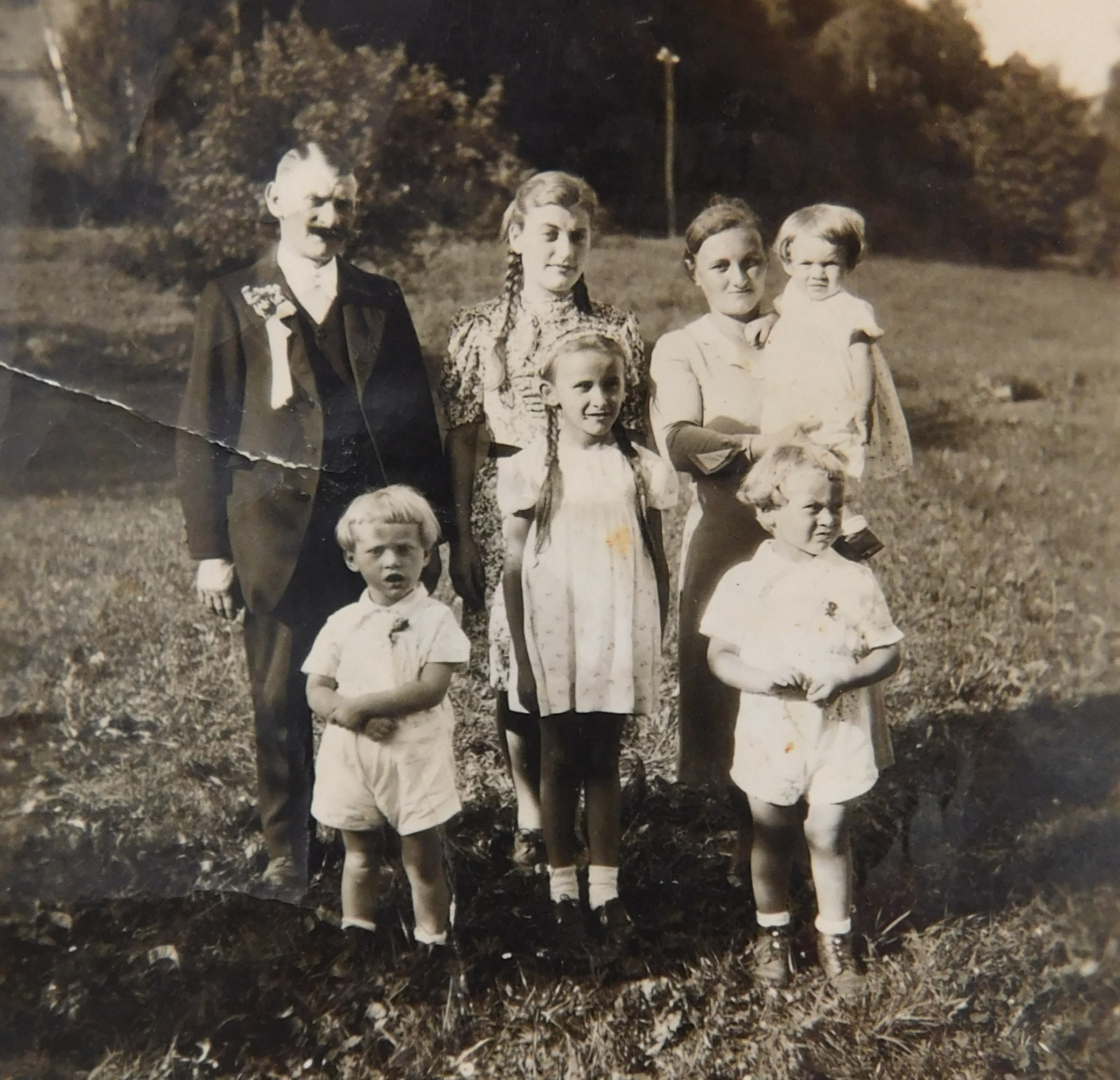
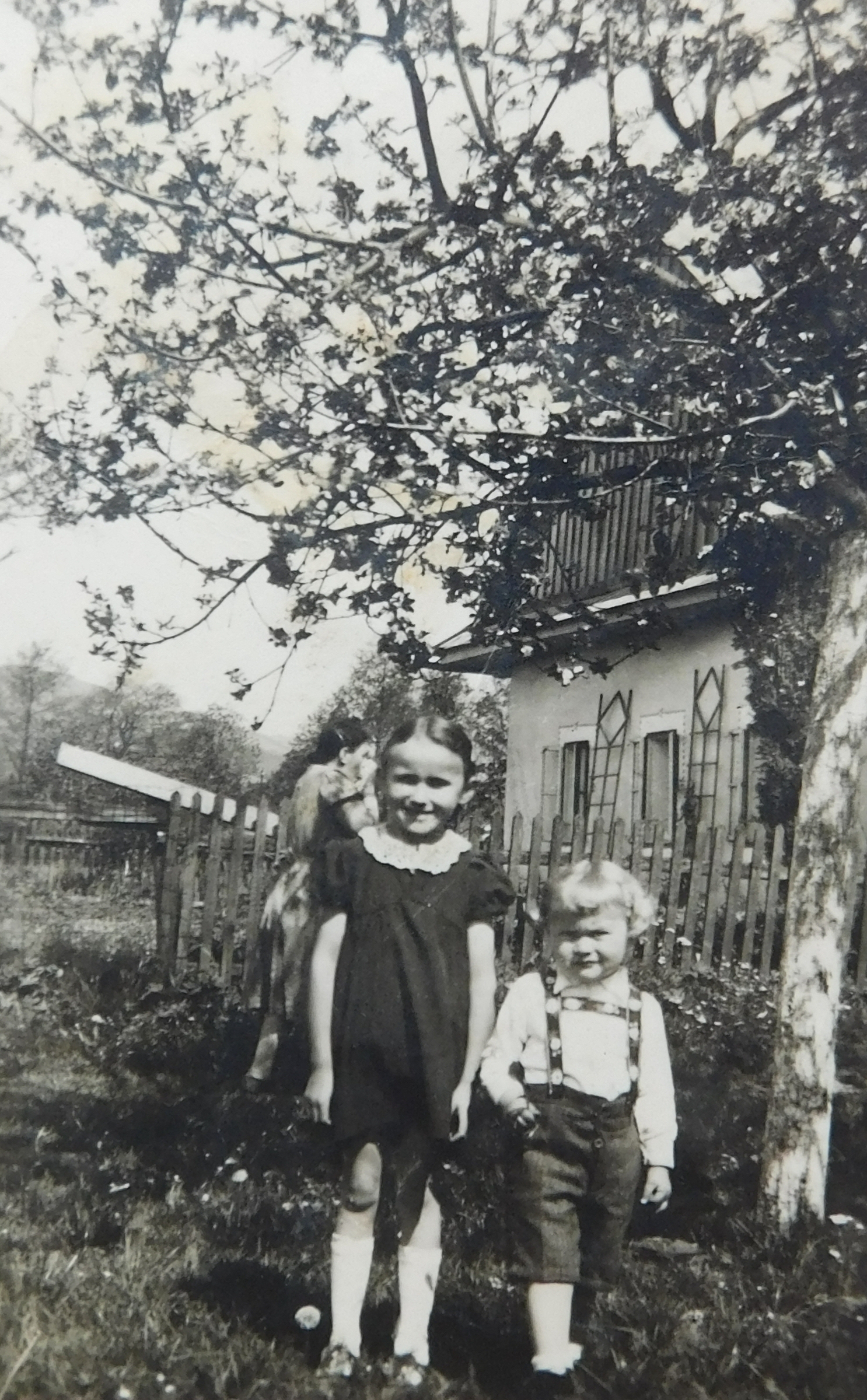
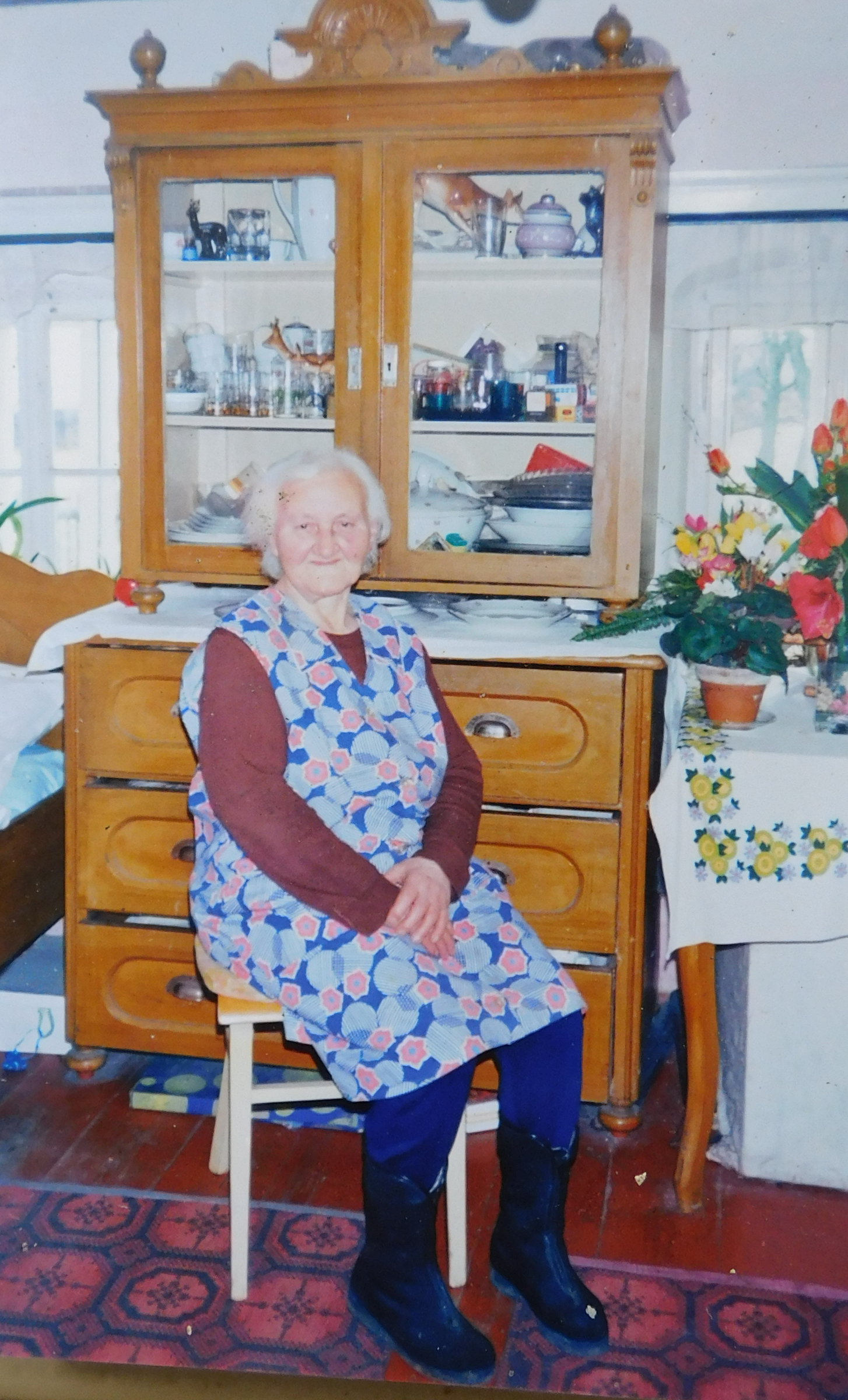
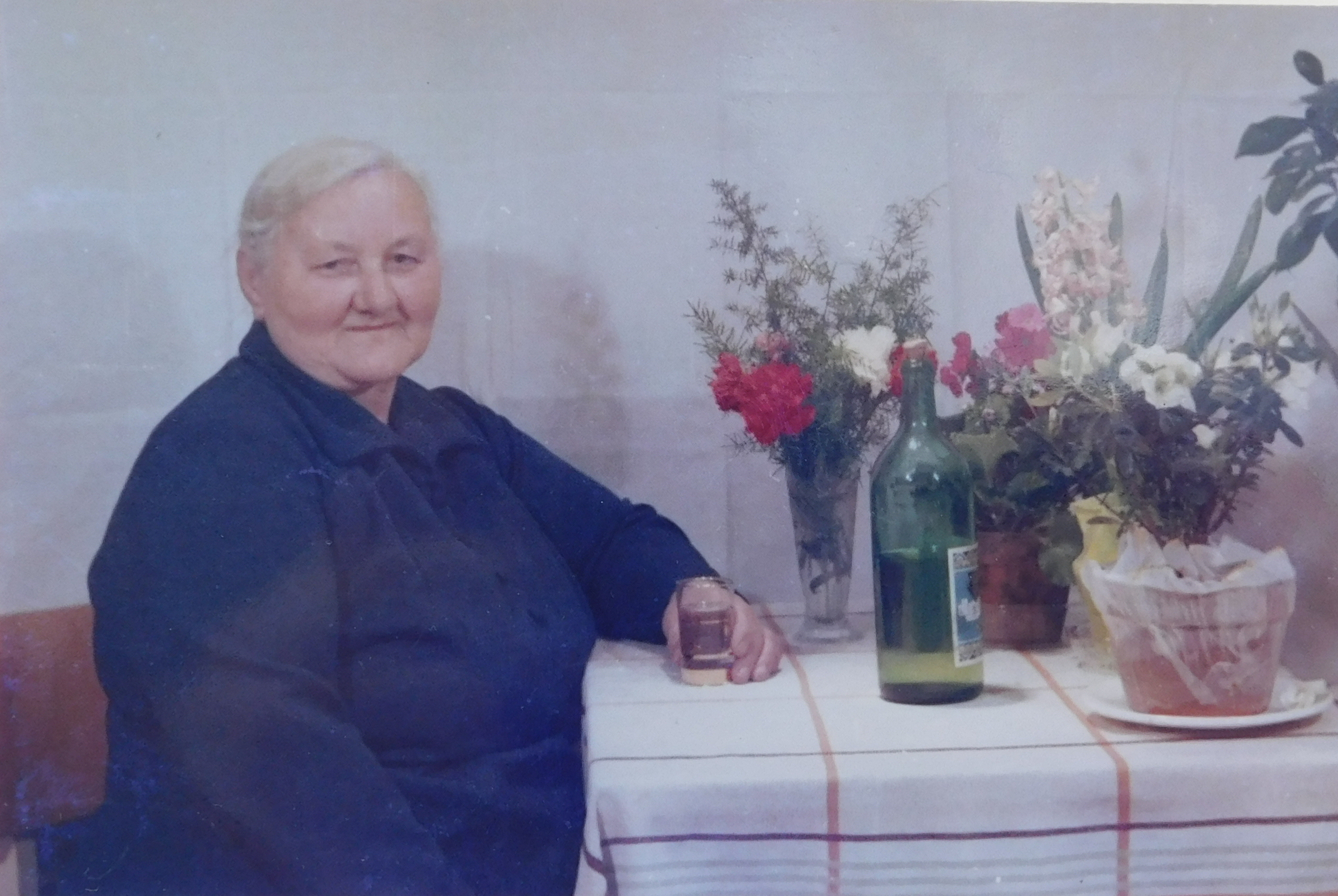
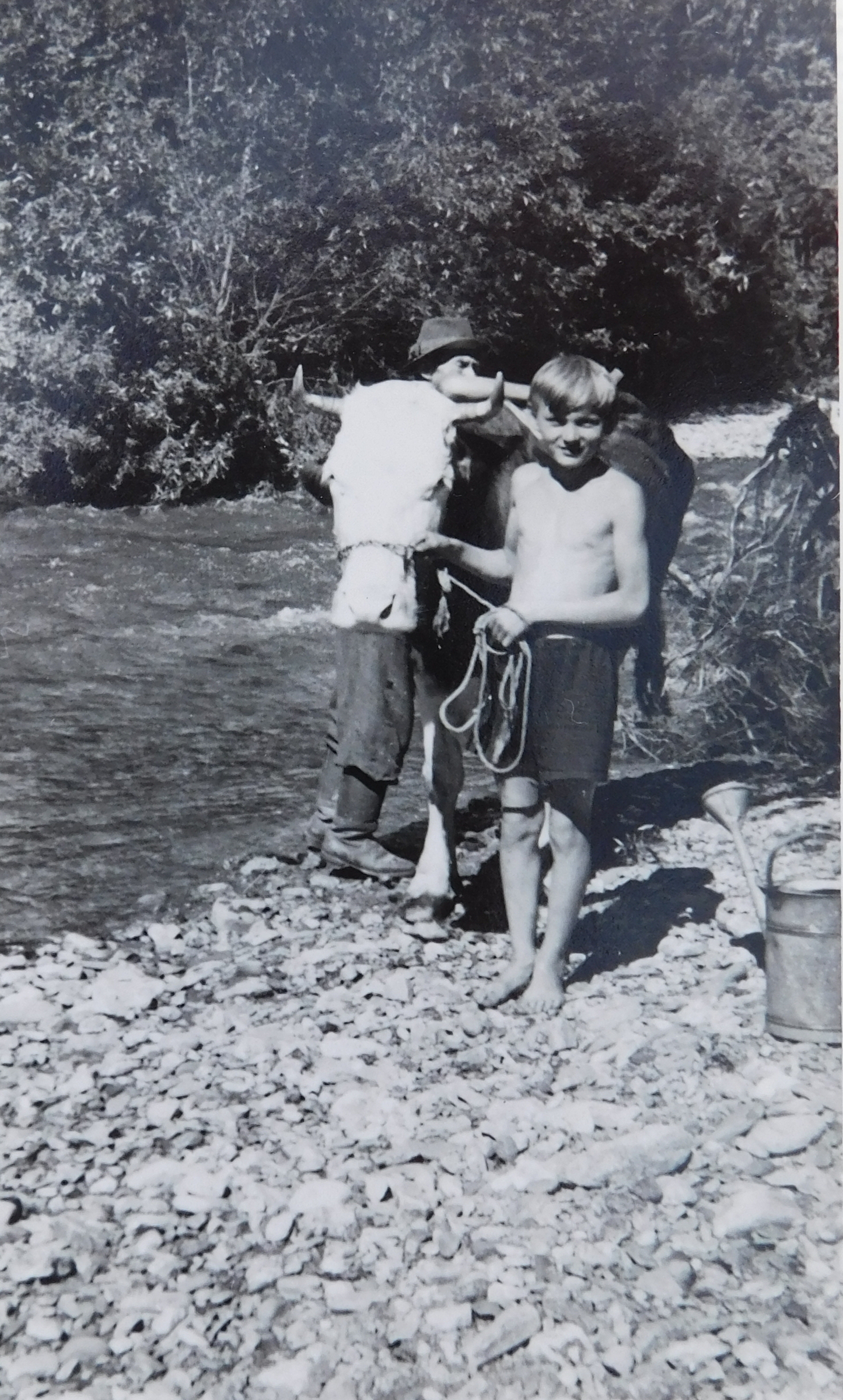
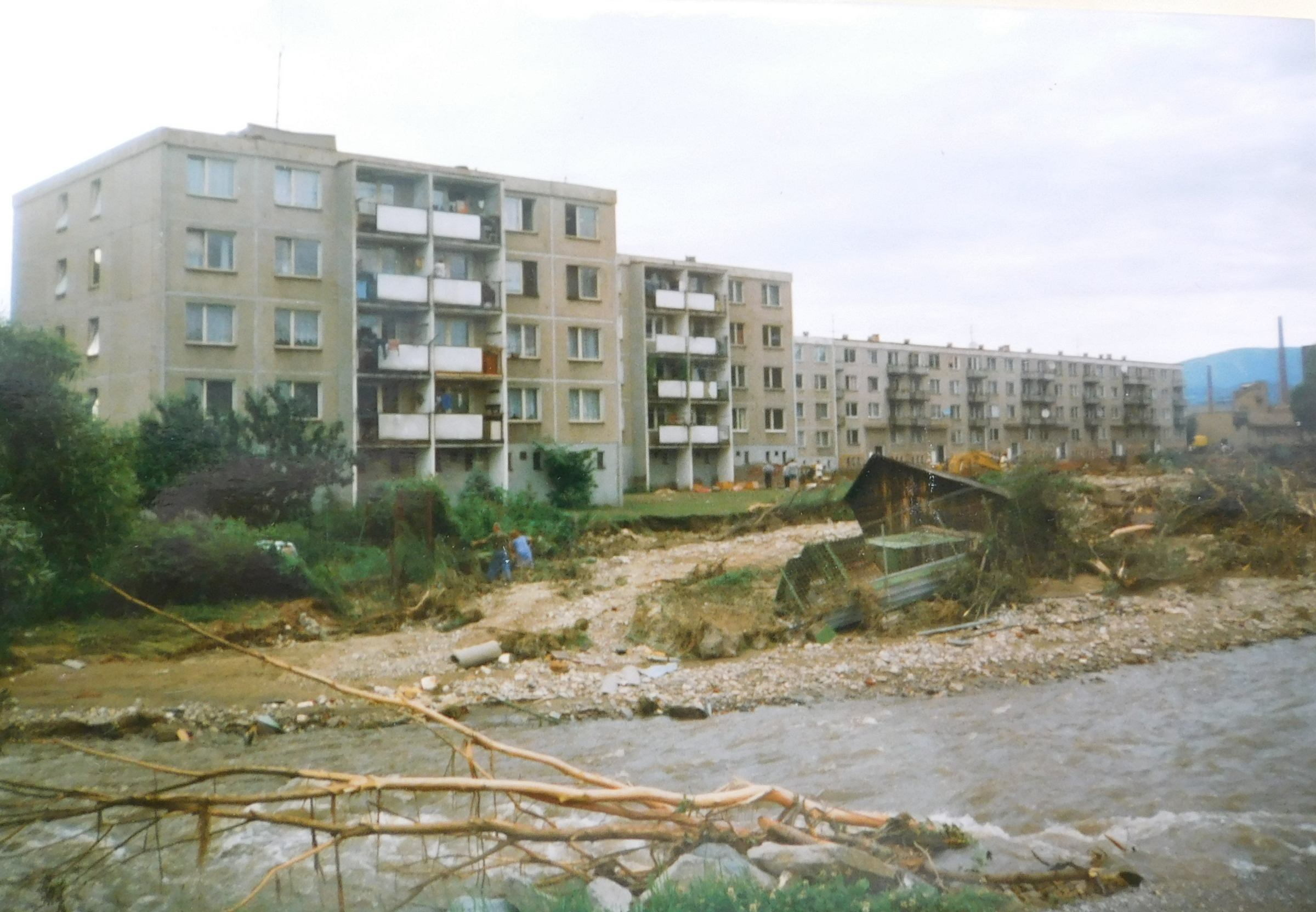
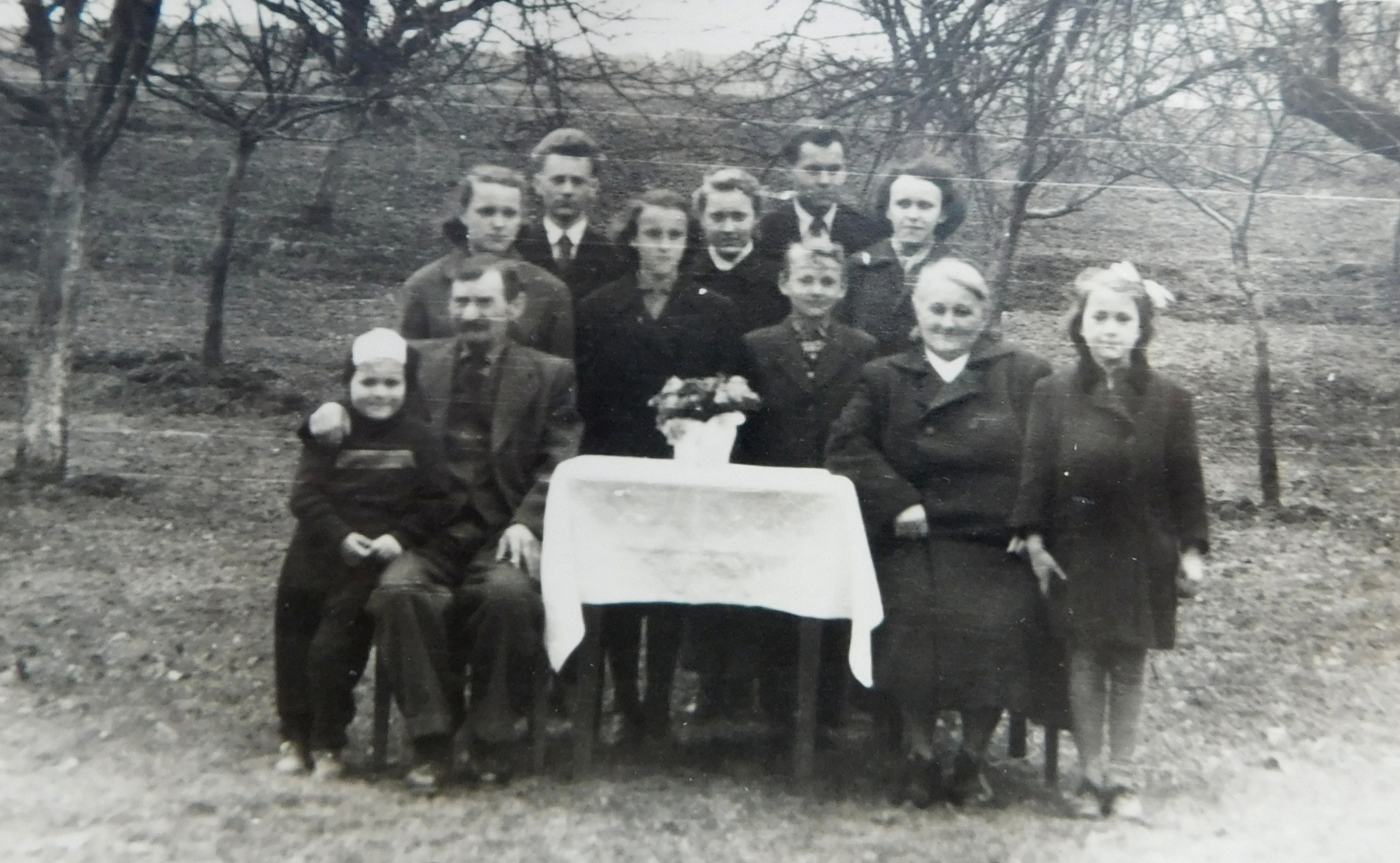
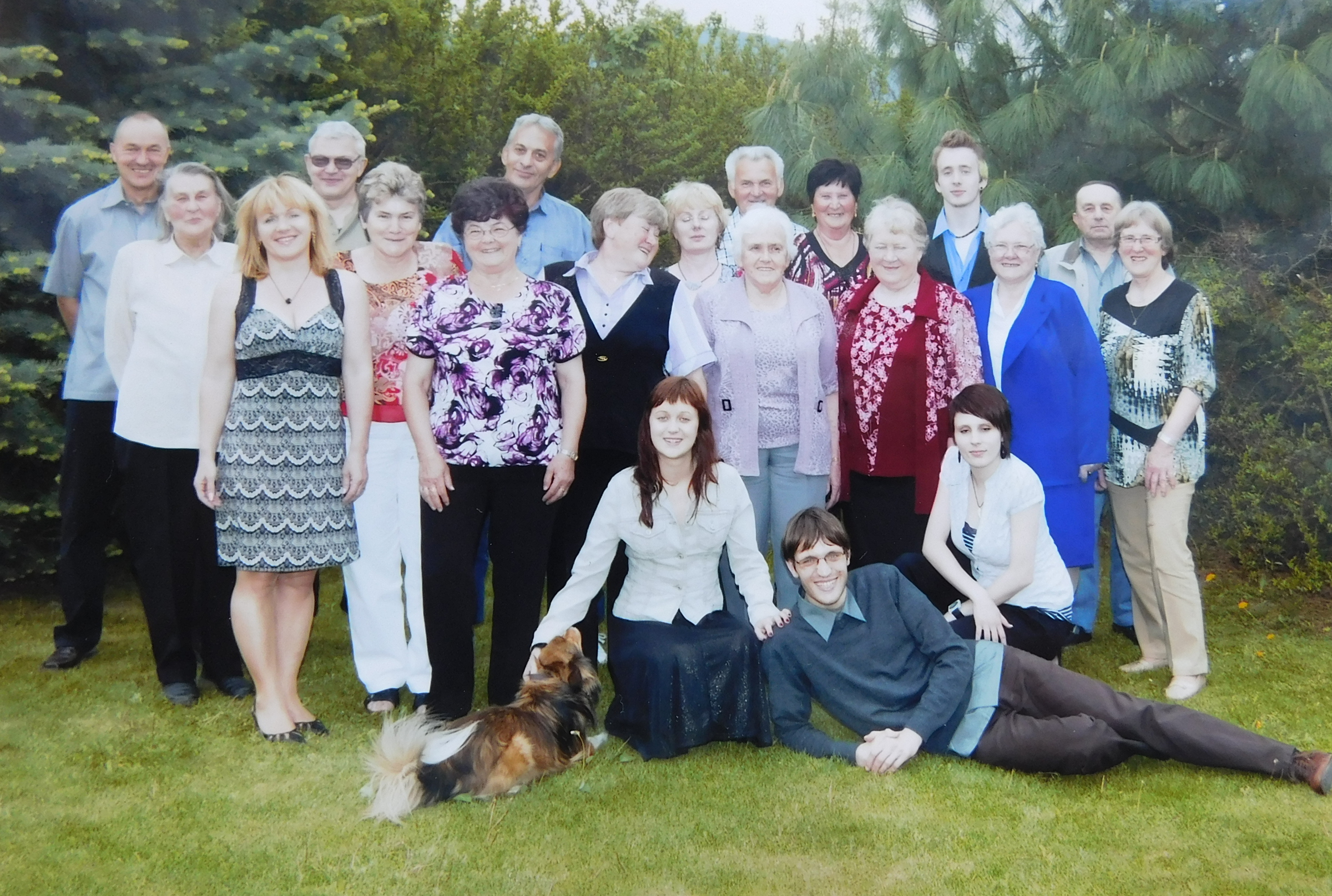
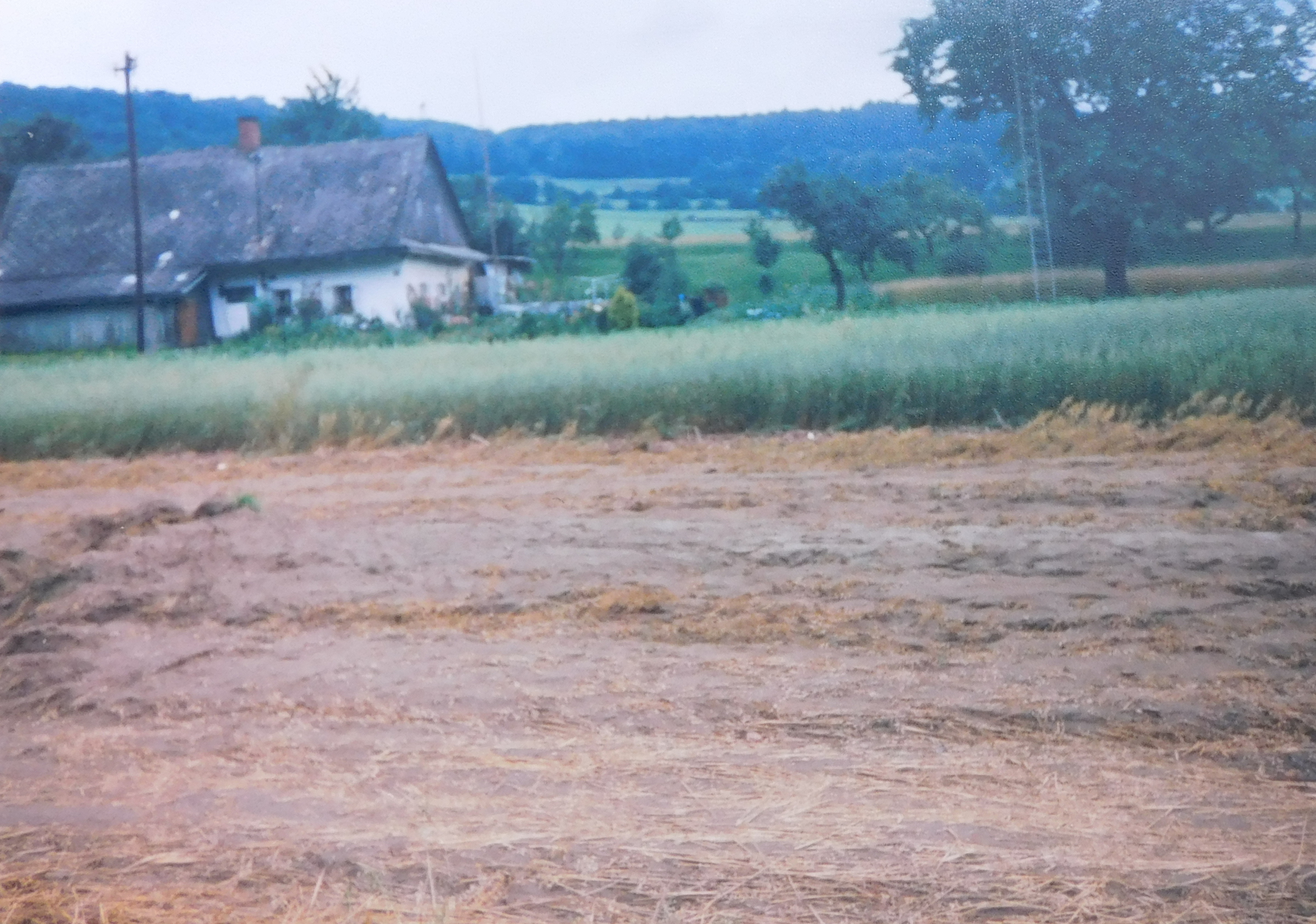
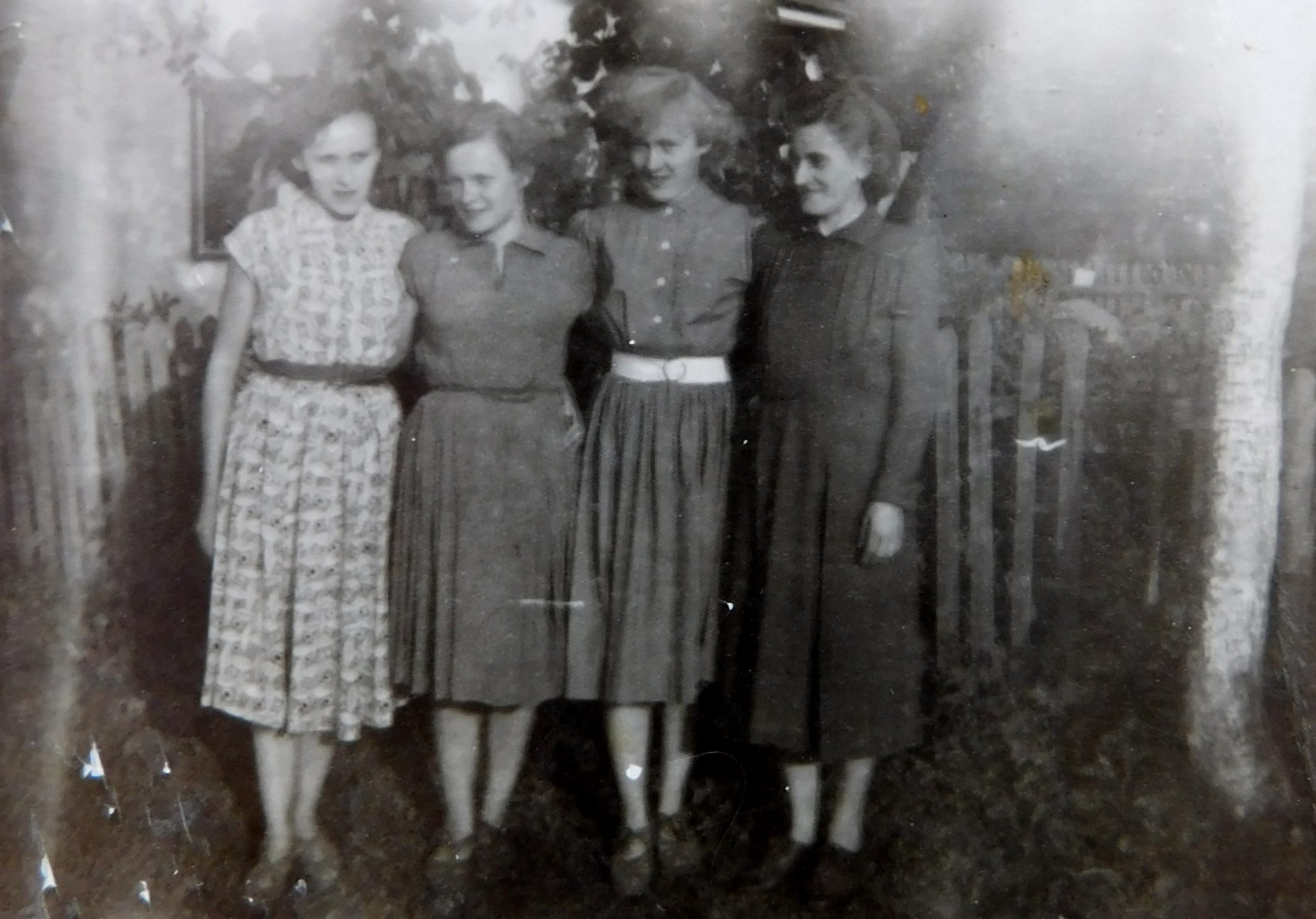
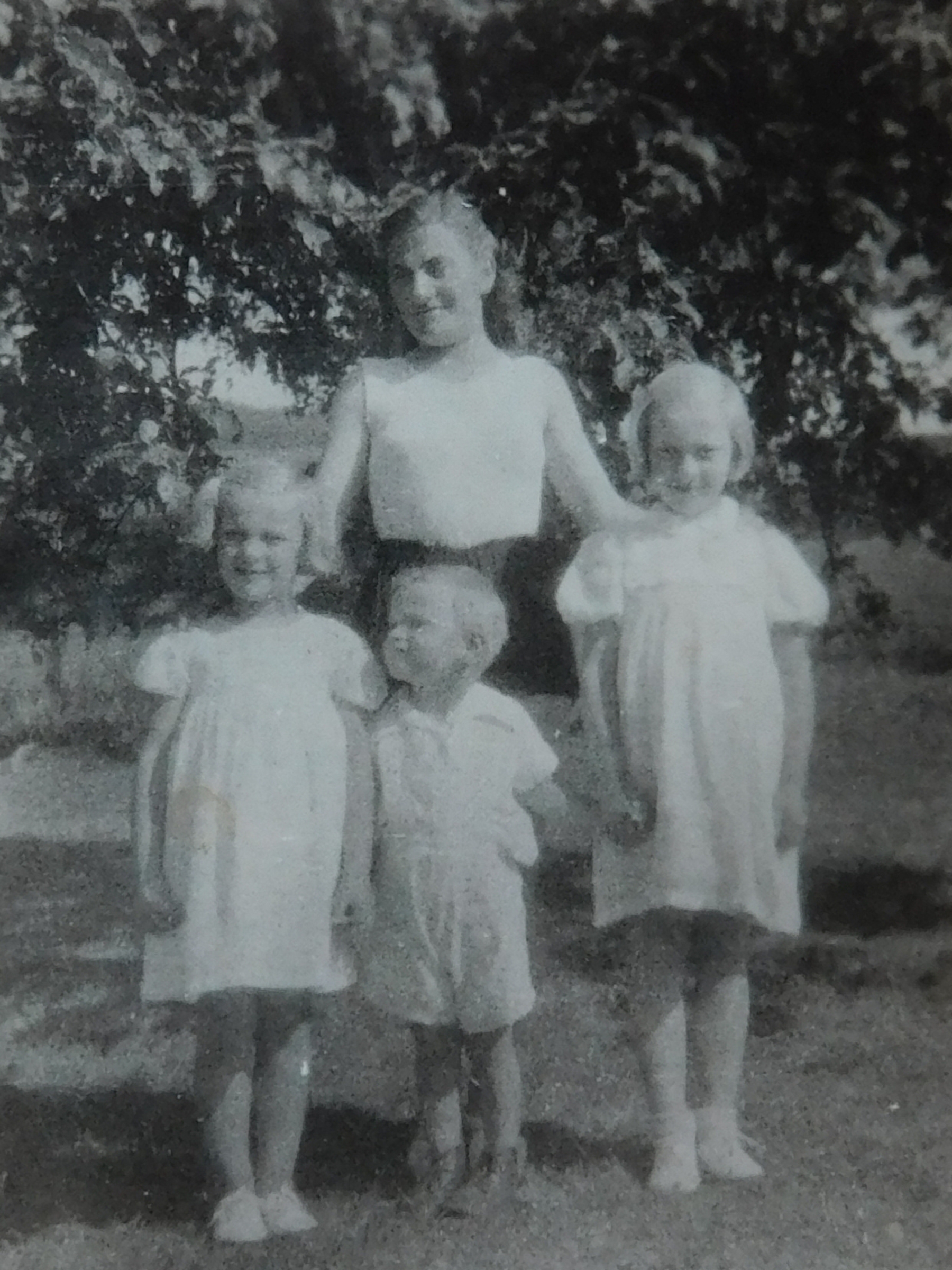
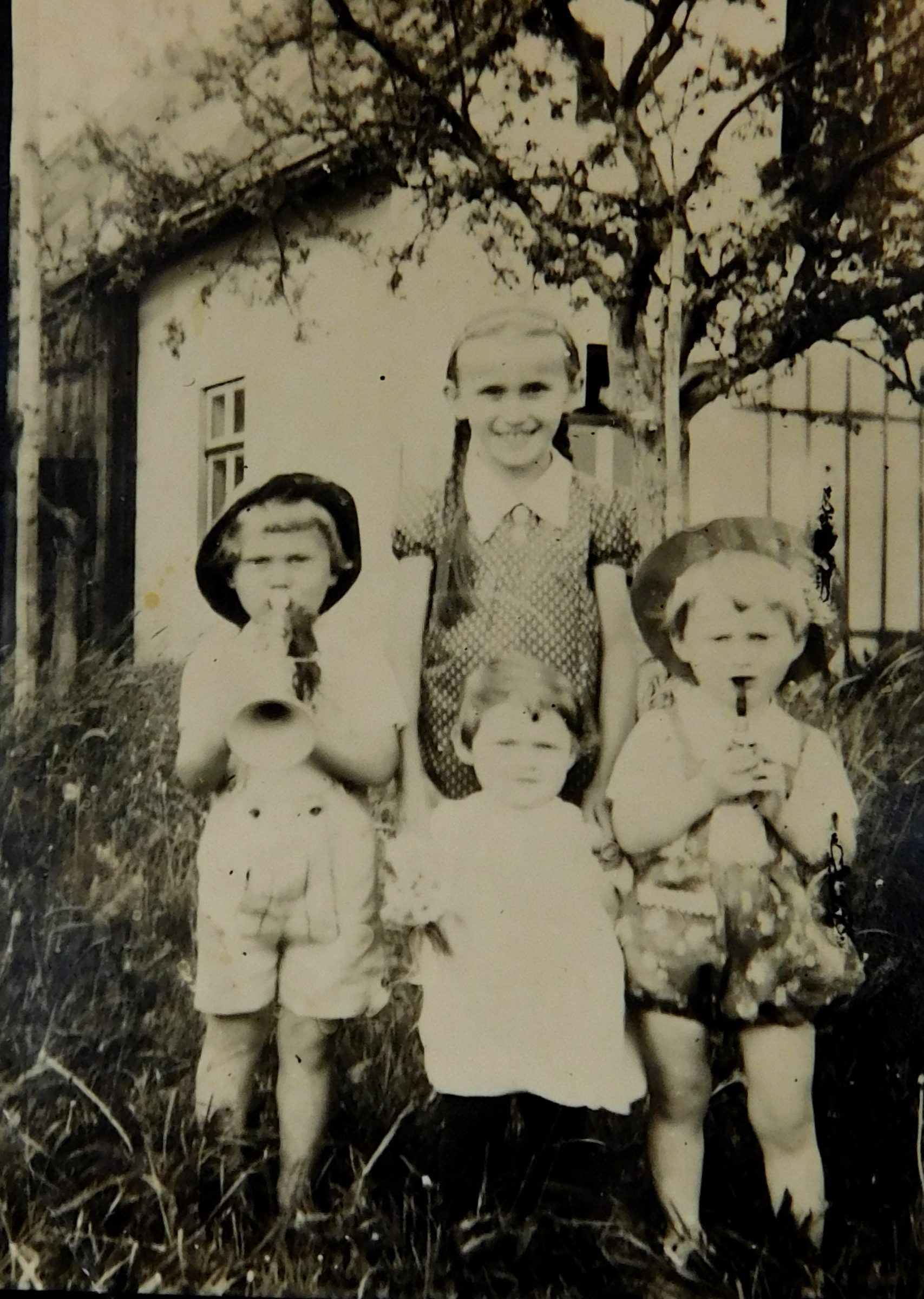
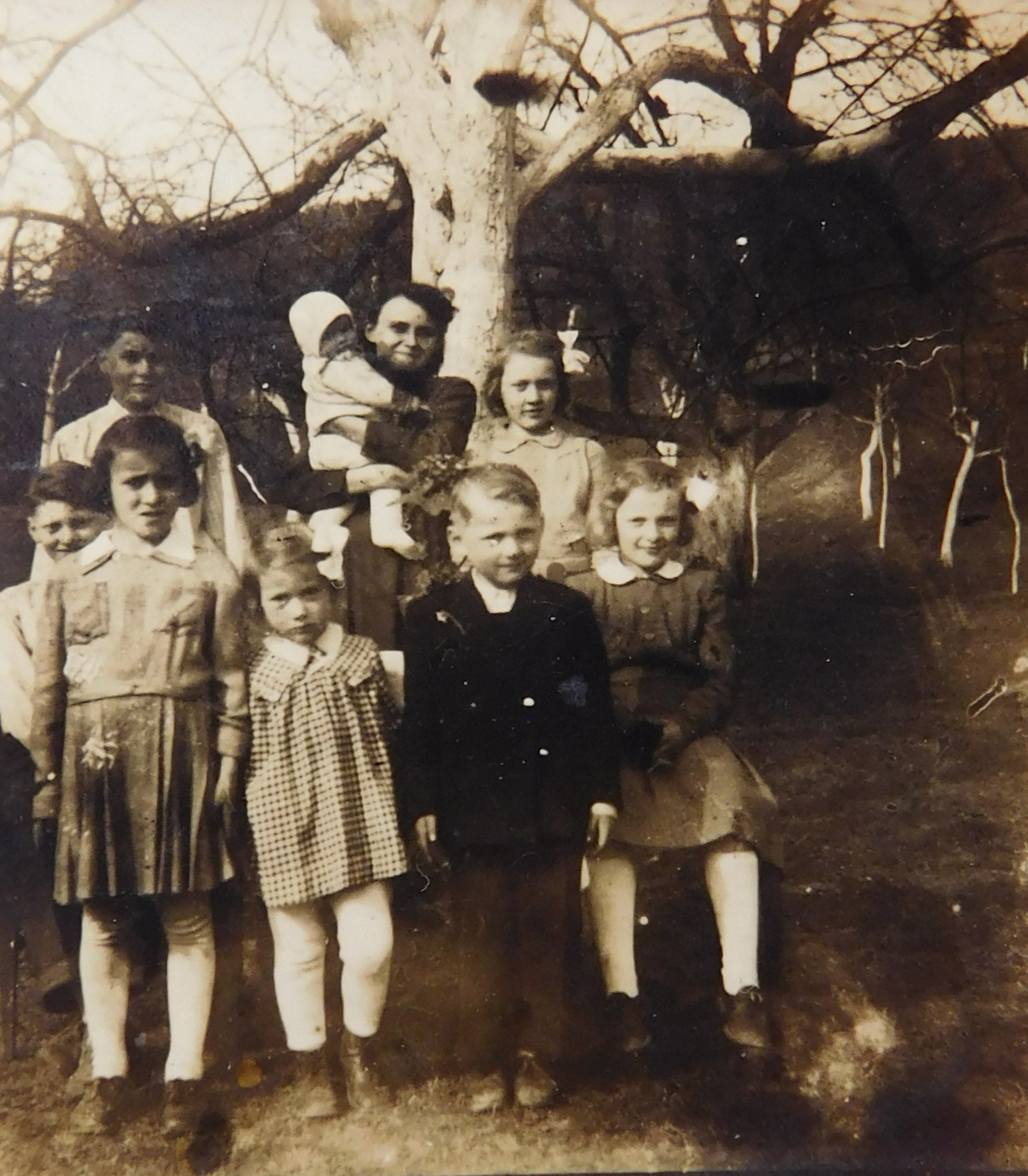
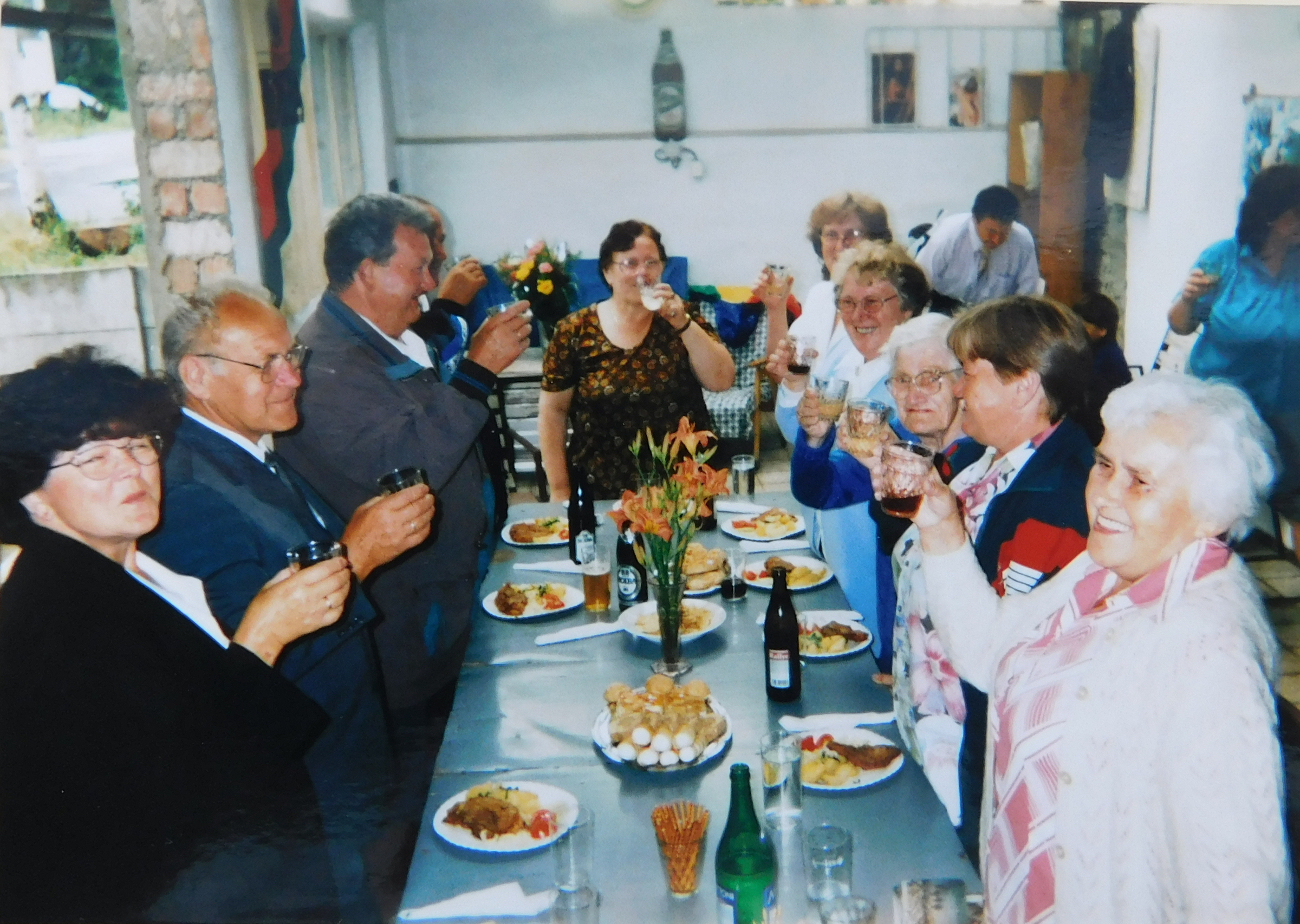
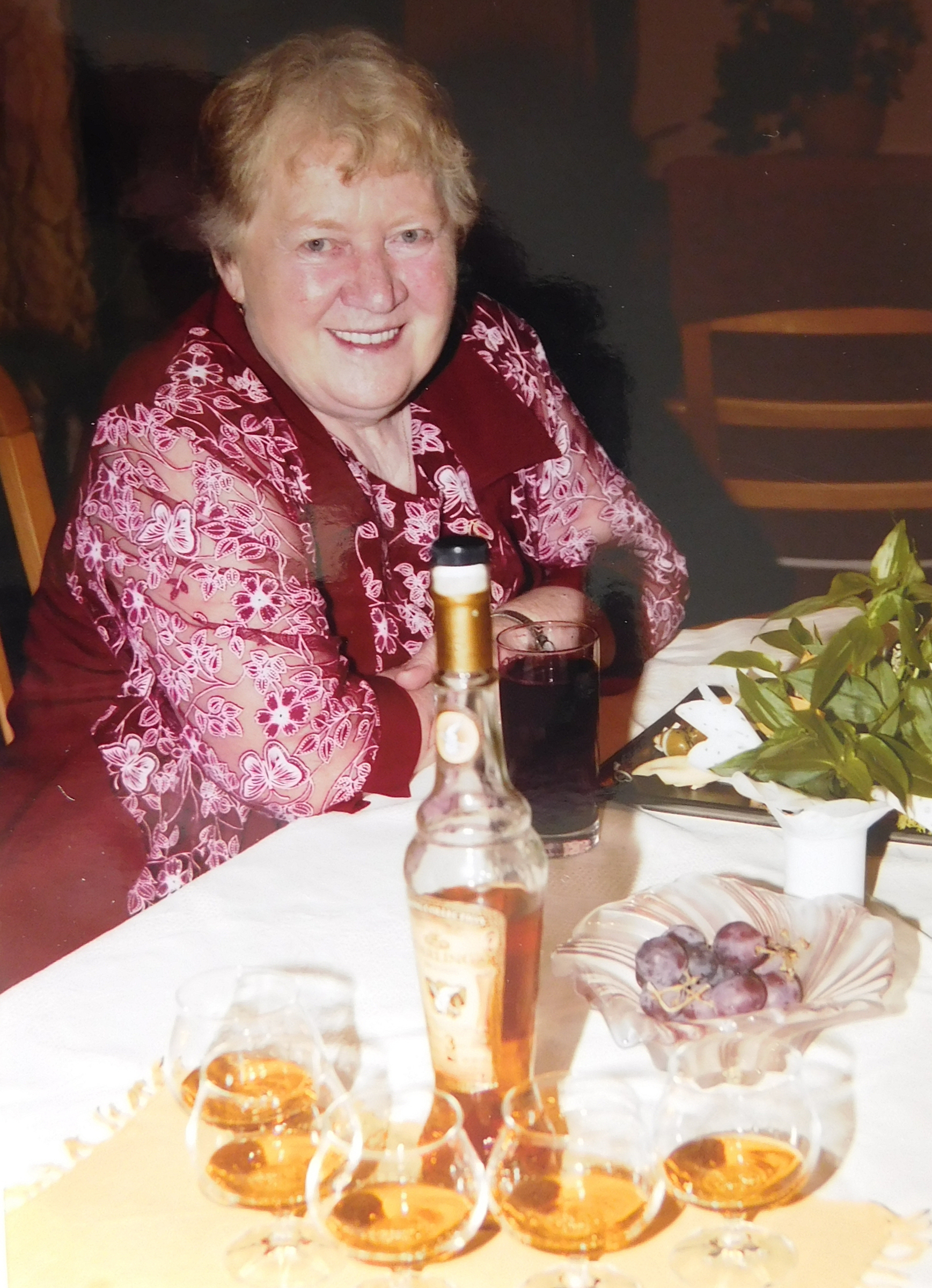
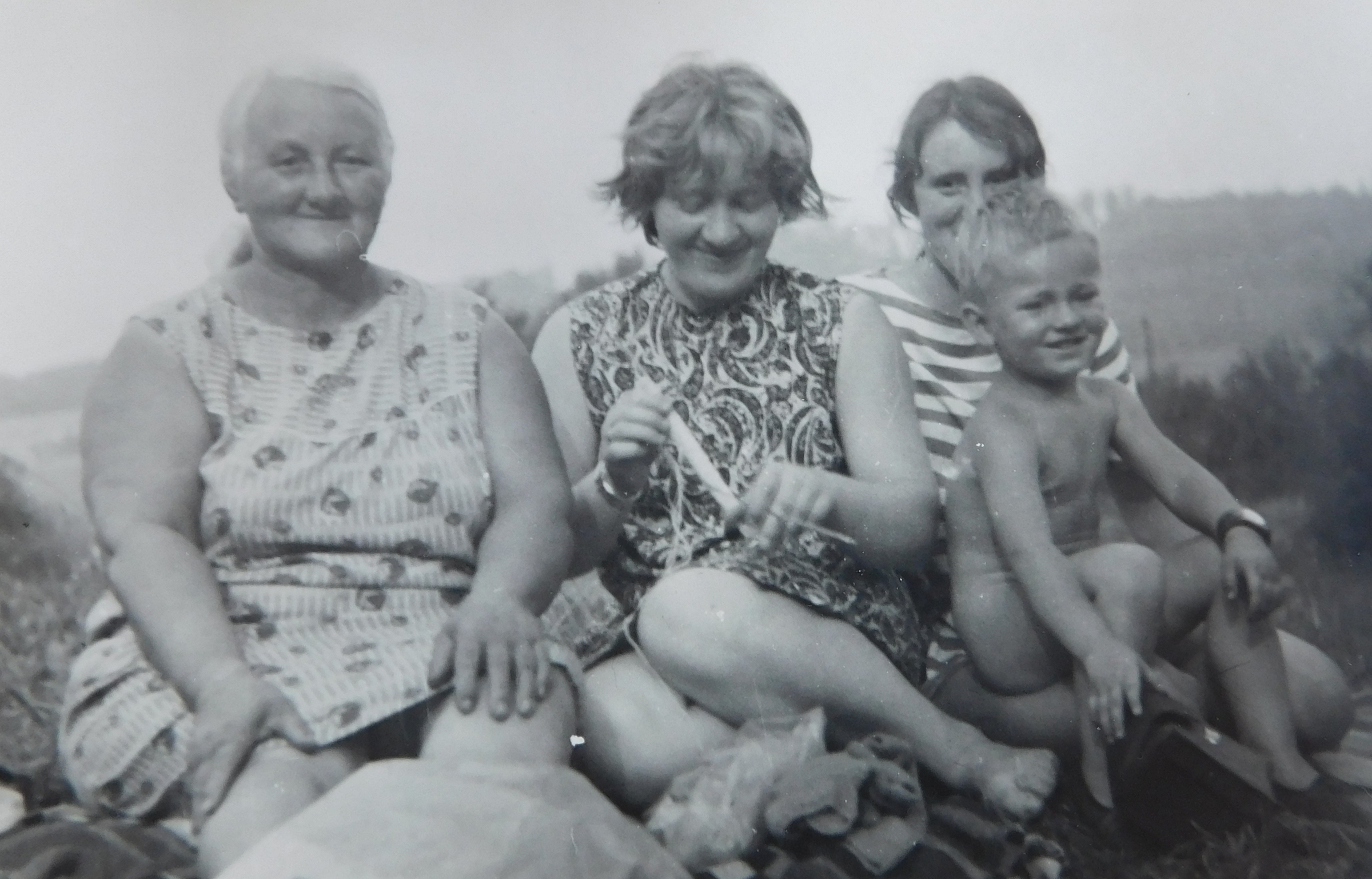
Valtraud Vejmolová, née Cikrytová, was born May 12, 1941 in the village Terezín (Theresienthal) as the fourth of eleven children of Rudolf and Josefa Cikryt. While her father had Czech ancestors, her mother was of Hungarian-German origin. The family lived in Terezín, which was a purely German village. All inhabitants from the village were included in the deportation of Germans in 1946, and only two Czech-German families - the Baum family and the Cikryt family - stayed, included Valtraud, who was five years old at that time. In spite of her young age she still remembers much from that period. They had enjoyed great relationships with their German neighbours, but the new postwar settlers did not accept them among themselves and they regarded them as Germans. Valtraud therefore experienced a lot of injustice from her schoolmates. Her siblings often rushed to help and the situation thus brought them even closer and they still continue to have close relationship. After the rise of the communist regime, Valtraud witnessed the establishing of the local unified agricultural cooperative. Her seventy-year-old father knew that the farm was the only way to provide for the family and he persistently kept refusing to surrender his two and a half hectares of land. The authorities therefore increased the delivery quotas of agricultural products for him, they exchanged his field for a lower quality land and they threatened him with imprisonment until he was left with no other option but to eventually surrender his farm. Valtraud Vejmolová learnt the seamstress‘s trade at the textile school in Jeseník after completing elementary school. For some time she worked in the company Moravolen Šumperk and then in the glassworks in Rapotín until her retirement. She lived in Terezín with her husband for many years, but no longer in her native house. She experienced the disastrous floods on the River Desná there in 1997. From 2002 she has been living in the small village Veleboř.
Hrdinové 20. století odcházejí. Nesmíme zapomenout. Dokumentujeme a vyprávíme jejich příběhy. Záleží vám na odkazu minulých generací, na občanských postojích, demokracii a vzdělávání? Pomozte nám!